






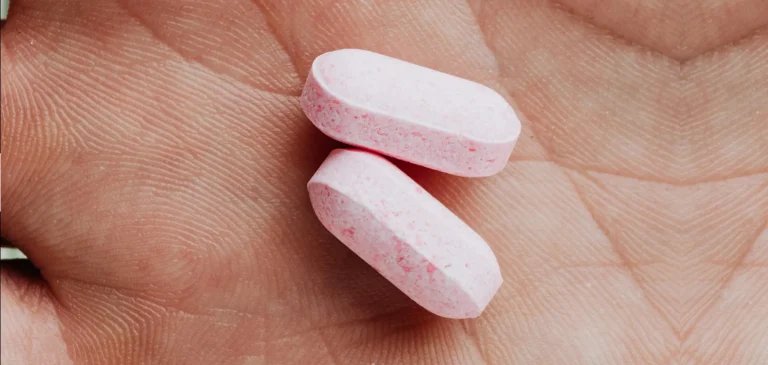


Health Tests
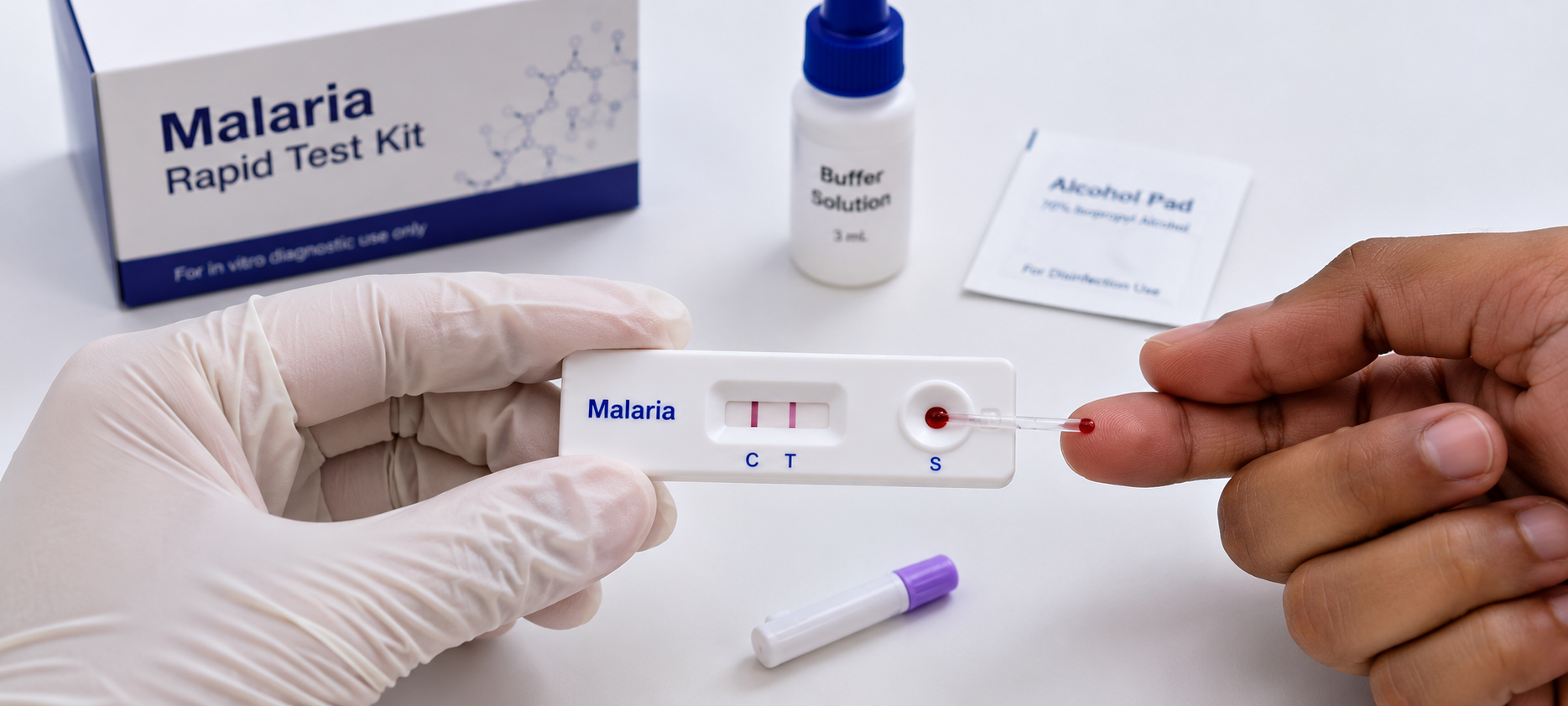
Get fast and reliable results with our Malaria and HIV rapid test kits. Easy to use, accurate, and designed for quick health screening from the comfort of your home. Take control of your health with trusted testing solutions. Order now
Know your numbers
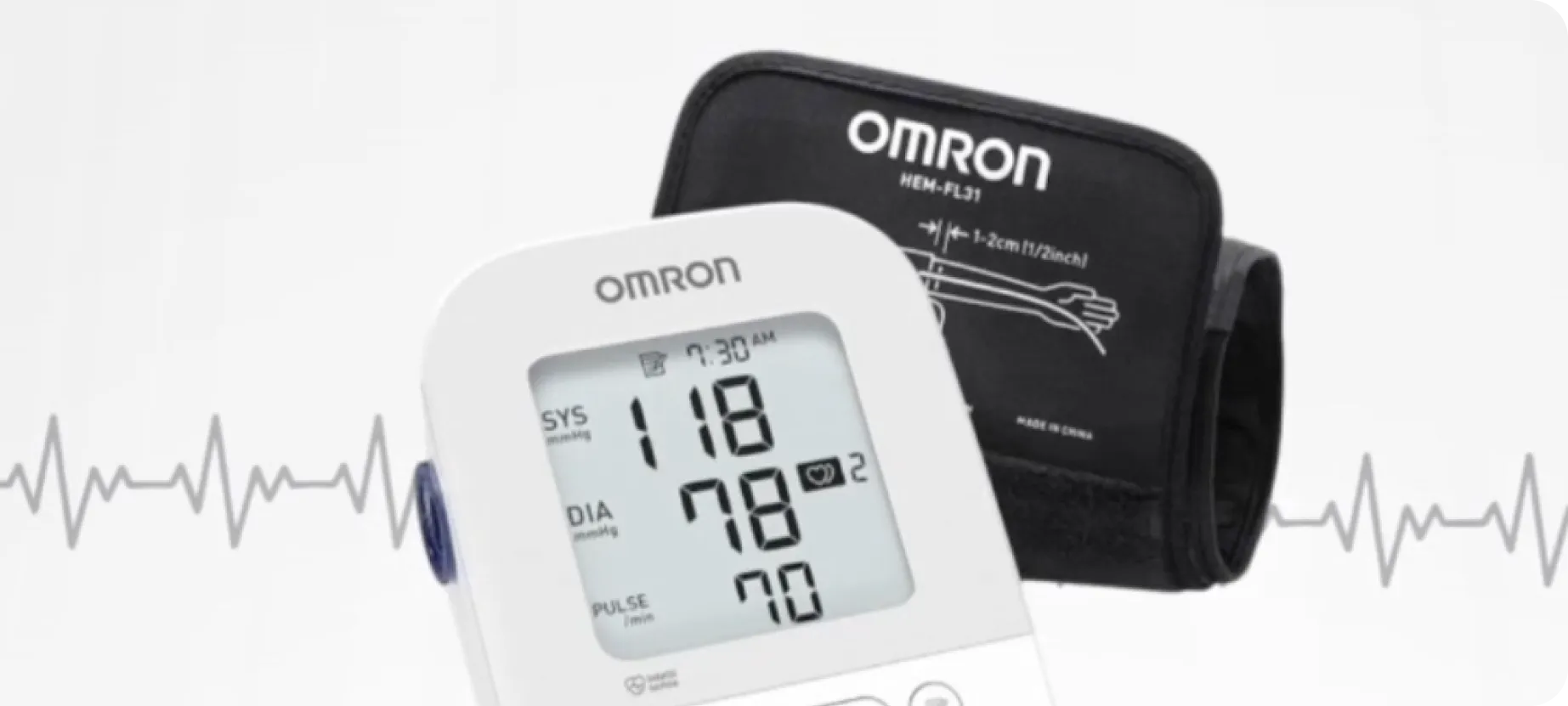
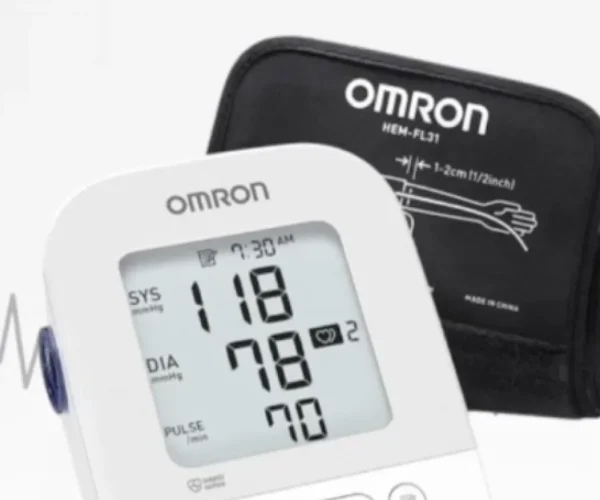
Measure and record key health indicators such as blood pressure and blood sugar levels to make informed decisions. Check now

Vaccination Hub
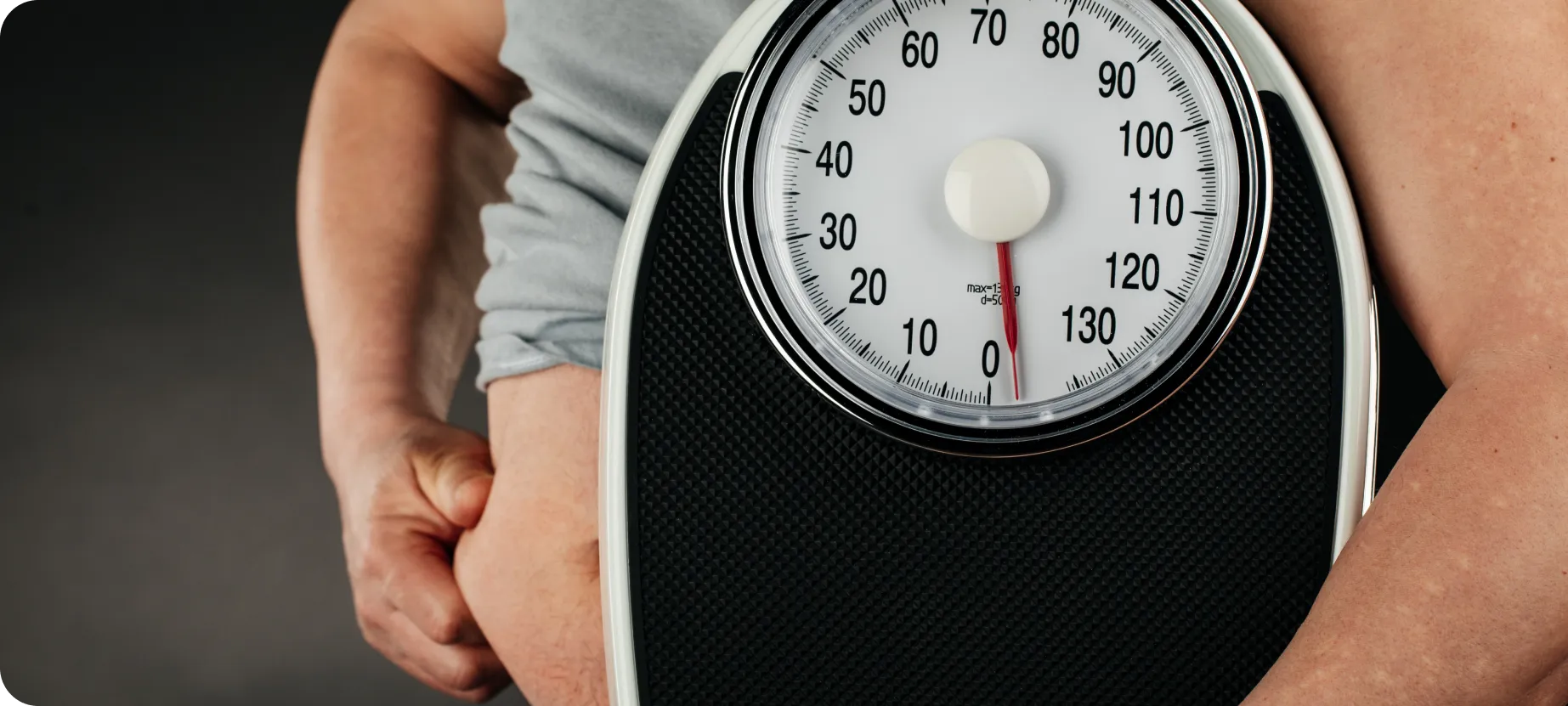
Protect yourself and your loved ones with access to essential vaccines and immunization services designed to keep you healthy at every stage of life.your health with trusted testing solutions.
Order now

Family Wellness
Access family-focused healthcare services, doctor home visits, and wellness support to help keep your loved ones healthy and thriving.
Check now

Fertility Support
Explore trusted fertility support, fertility medications, and expert fertility doctors through our partnership with Hexia Health to support your path to parenthood.
Check now






























Pain Management
What is Pain? Pain refers to an unpleasant feeling when one suffers from a hurt in one area or all over the body. It could be a burn in the chest, discomfort in the back, leg, shoulder, neck, or ache in any part of the body. You will feel pain when you hit your head, cut yourself, or touch a hot surface. Whenever you feel pain, it is a result of your nervous system signaling that something might be wrong or damaged. We feel pain in our body when we have fractures, injuries, infections, or fever. People across the world feel pain, in one way or the other and respond to it differently. Some people can cope with severe pain, or emotional distress more than others. It is however important to know how to manage your pain properly to live a healthy life. Pain management refers to evaluation, diagnosis, and treatment given to people to help them deal with pain. It is a process of treatment aimed at reducing symptoms of pain. What are the Types of Pain? The two main types of pain are: Acute pain: It lasts only for a short period before going away as soon as the root cause is treated or cured. It is the type of pain that reduces or stops when healing takes place. Examples include a broken bone or a bruise. Chronic pain: This refers to a persistent discomfort that lasts for more than 3 months. The pain can continue even when the disease or injury that caused it is healed. Treatment of chronic pain is more complicated than the acute type. Examples include arthritis, back pain, and neck pain. Source: https://www.google.com/url?sa=i&url=https%3A%2F%2Fbodymotionsphysio.com%2Fblog-post%2Funderstanding-chronic-and-acute-pain%2F&psig=AOvVaw0r88zqvDUr7SHzJDr3hYAQ&ust=1713964299341000&source=images&cd=vfe&opi=89978449&ved=0CBIQjRxqFwoTCMiThfC02IUDFQAAAAAdAAAAABAE In addition to acute and chronic pain, pain is categorized into: Nociceptive pain: is caused by tissue damage. It could either be an acute or a chronic pain. Neuropathic pain: caused by nerve damage. Neuropathic pain occurs when the nervous system breaks down. Pain Management Strategies Pain management involves the use of various strategies to identify and treat the underlying cause of the pain a patient feels. An effective pain management approach allows patients to engage in activities they enjoy with less physical and mental stress. There are different ways to treat pain. The strategy to be used depends on the individual’s preference, the type of pain, or how severe the pain is. It could be a non-medicine approach or a medicinal approach. They include: Physical therapy: It involves engaging in simple physical activities such as walking, or stretching to help relieve pain. In this therapy, caution is needed or the presence of a healthcare assistant to avoid overdoing it. It can be used for conditions such as arthritis, neck pain, back pain, or knee injuries. Heat or cold therapy: You can place ice packs after getting an injury to reduce the swelling. Heat packs, on the other hand, are used for muscle injuries and chronic joint pains. It makes the flow of blood increase in the area and relieves pain. Source: https://www.google.com/url?sa=i&url=https%3A%2F%2Fwww.woodsideclinic.co.uk%2Fheat-vs-cold-therapy&psig=AOvVaw02jkhWV-b30mkB2_bTA4tQ&ust=1713987076246000&source=images&cd=vfe&opi=89978449&ved=0CBIQjRxqFwoTCJDKmoWK2YUDFQAAAAAdAAAAABAE Acupuncture: This approach is based on traditional Chinese medicine. Acupuncture involves inserting needles into specific areas of the body. It is used to treat neck pain and lower back pain. The approach helps to reduce tension in the areas enabling the individual to feel relief. Surgeries: They are recommended in certain cases such as cancer to enable the patient to effectively manage pain. Psychological therapy: This includes relaxation techniques, meditation, and cognitive behavioral therapy (CBT). There are psychological strategies that have been used along with physical and drug treatment to assist people cope with pain. Cognitive behavioral therapy (CBT) – this type of psychological therapy helps you to change your thoughts and feelings about pain. It helps you to change the unhealthy way of thinking and behaving. This treatment approach is effective for emotional health conditions such as depression and anxiety. Medication: Pain medicine helps to reduce fever and inflammation. However, you should talk with a pharmacist or your doctor to ensure you use safe and effective medication. Medication is the most common and easiest strategy to effectively treat pain. OTC medication – Over-the-counter medicines include ibuprofen, paracetamol, aspirin, allergy pills, and eye drops. This type of medication does not require a prescription from a doctor. It is used to treat colds and reduce inflammation and pain from headaches, toothaches, menstrual cramps, etc. Prescription medication – You are only able to buy this medication with a healthcare professional’s prescription. It is used to treat cancer, high blood pressure, fever, depression, etc. These medications can be in the form of tablets, creams, liquids, or injections. Medication can be used along with non-medicine approaches to help manage chronic conditions better. If you want your pain to be well managed, it is very important for you to always follow instructions given by your healthcare professional. Preventive Measures When taking your medications, take note of the following steps: Be cautious when taking over-the-counter pain relievers as well as other medications It is wise to consult your healthcare provider about any medication Do not take painkillers without a prescription from your doctor when pregnant. Studies have shown that painkillers may harm the fetus or cause poor health for both mothers and babies. Do not take more than one over-the-counter drug at a time without talking to a doctor. It is possible to take an overdose without knowing. When taking medicines to treat colds, for example, taking any other medications that contain paracetamol is dangerous. Visit your healthcare professional to get appropriate treatment for sports injuries. If you have a chronic health issue, for instance, diabetes, or heart disease, speak with your doctor before taking any OTC medications. Be careful not to take more than the recommended dose to avoid having side effects. Also, if you are providing care for someone who is elderly, ensure to follow the prescribed dosage. Research studies revealed that older people are more likely to experience more side effects of wrong dosage. For example,
Exercises for a Healthy Heart
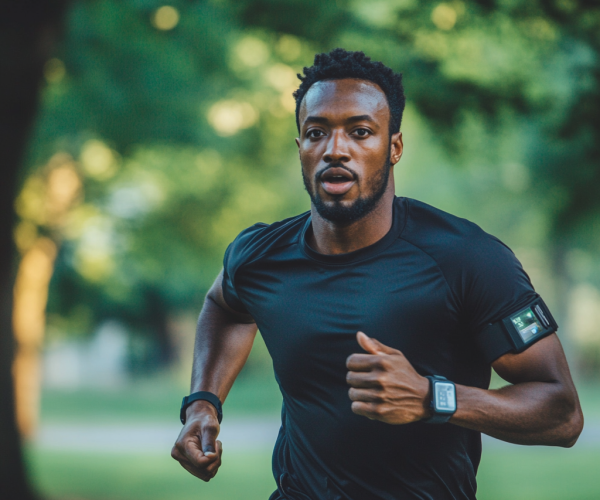
Having regular exercise supports your heart and makes your circulatory system function appropriately. Consider having regular exercise, if you desire to live longer or maintain a healthy heart. Exercise could help stop your disease from getting worse. Engaging in regular exercise could also help you relieve pain and be more productive. Source: https://www.google.com/imgres?q=aerobic%20exercise%20cdc&imgurl=https%3A%2F%2Fwww.cdc.gov%2f Physical Activity%2Fimages%2FAA_women_workingout.jpg%3F_%3d 90379 Imgrefurl=https%3A%2F%2Fwww.cdc.gov%2f Physicalactivity%2Findex.html&docid=u8wBjP0R-KK-8M&tbnid=tabtFQmFZFs0bM&vet=12ahUKEwiq0c2AkOKFAxX3XEEAHffsB4gQM3oECCkQAA..i&w=639&h=426&hcb=2&ved=2ahUKEwiq0c2AkOKFAxX3XEEAHffsB4gQM3oECCkQAA What are the Benefits of Exercise? Regular exercise can help you to manage the risk factors that could cause harm to your heart. It helps to reduce your blood pressure It helps you to sustain your weight loss at a rate suitable for a healthy heart It helps lower the risks of overweight or obesity It helps to improve your blood cholesterol People who do not engage in physical activities are more likely to develop heart disease than people who exercise regularly. Studies show that lack of exercise along with high blood pressure, smoking, and high blood cholesterol contribute to heart disease. Other important benefits of exercise include: Exercise stimulates the heart and supports lung function. It improves your heart’s ability to carry blood to the lungs and all over the body. It also makes the capillaries expand, causing them to deliver more oxygen to your body and remove waste products. Exercise limits your risks for coronary heart disease and other dangerous diseases. Exercise can also help to reduce the risk of having a heart attack. What are the Types of Exercises for Your Heart Health? Three types of exercises can help improve your heart condition. They are: Aerobic Exercise Source: https://www.google.com/imgres?q=balance%20and%20flexibility%20cdc&imgurl=https%3A%2F%2Fwww.cdc.gov%2Fprc%2Fimages%2Fhealthy-aging.png%3F_%3D67305&imgrefurl=https%3A%2F%2Fwww.cdc.gov%2Fprc%2Fstudy-findings%2Fresearch-briefs%2Fsenior-center-exercise-program-older-adults-enhancefitness.htm&docid=3oHu3TFnU3pTQM&tbnid=ZLgCiMln4aJP9M&vet=12ahUKEwjCwo-tkeKFAxXLU0EAHUh_D1AQM3oECFAQAA..i&w=350&h=233&hcb=2&ved=2ahUKEwjCwo-tkeKFAxXLU0EAHUh_D1AQM3oECFAQAA Aerobic exercises involve moving the muscles in your arms and legs to make you feel warm and slightly out of breath. The activities help to increase your heart rate and make you sweat. Examples include walking, swimming, cycling, gardening, stair climbing, and playing tennis. You do not need to go to the gym or use expensive equipment. Aerobic exercise should be done at least 30 minutes, for 5 days a week, i.e. 150 minutes per week. However, you can start gradually. You can go for a 5-minute morning walk and a 5-minute evening walk. You can increase it in your next walking session. Aerobic exercise is an activity that reduces your blood pressure and improves your cholesterol levels. This makes it possible to prevent you from having a heart disease. It also helps you to maintain a healthy weight. Make sure to get your doctor’s approval before you start exercising if you have not been active in a while or have an ongoing health condition. Resistance Training Resistance training involves physical activities that can help you reduce body fat. Examples include working out with dumbbells or hand weights, squats, push-ups, and working out with resistance bands. According to the American College of Sports Medicine, you should engage in resistance training at least two times a week. It helps to enhance your muscular strength, power, and endurance. The benefits of resistance workout for a healthy heart include: Increase in blood flow. A healthy circulatory system is essential for providing your body with the oxygen and nutrients it needs to function well. It lowers the chance of having a heart attack. It makes you have a quality and sound sleep. It helps to reduce stomach or body fat. When you combine aerobic exercise and resistance workouts, it promotes your heart and overall well-being. The activities help you build strength and improve the state of your heart. Balance and Flexibility Exercises Source: https://www.healthline.com/health/exercise-fitness/yoga-for-flexibility Stretching is a common physical activity in this category. It does not directly improve your heart health but helps you stay flexible. It also allows you to become free of pain in your joints and muscles. This exercise enables you to continue or maintain anaerobic and resistance training. Balance and flexibility exercises include basic stretches or yoga. You should do this before and after your other exercises. It helps to improve your stability or strength for other types of exercises. It is necessary for you to move freely and with flexibility. However, a lack of exercise, stress, aging, and bad posture can all make your muscles rigid and tight, which can reduce your flexibility. Regular yoga practice is an effective activity for reducing stress in your muscles and increasing your range of motion. The key to a successful exercise is to begin slowly and work your way up to holding a position longer while maintaining the correct posture. What are the safety precautions when exercising? Some of the precautions to ensure your safety when exercising include: Wear the right shoes and use the right equipment to avoid injury. Consult a physiotherapist or a qualified fitness instructor if you have a record of injury or medical condition. Ensure that you have a day or two days in a way to recover. Stop exercising immediately if you experience chest or neck pain. Avoid exercising when you are dehydrated. Drink a lot of water or fluid an hour before you start exercising. Also, drink water during the breaks and after exercising to ensure you are well hydrated. Do not take alcohol and coffee before and after workouts, as it promotes fluid loss. It is important to stretch after exercising. It helps you to recover or reduce muscle soreness. Committing to exercise regularly can be challenging, but you can make it fun by doing it with your friends or family. It is important to consult your healthcare professional to know what type and intensity of exercise is best or safe for you. Also, inform your doctor or physiotherapist immediately if you experience pain while exercising.
Sleep Disorders
What is sleep? Sleep refers to a reversible period of unconsciousness that is associated with a decreased level of response to external stimuli or disturbances. Some common postures during sleep are closing the eyes and lying down. What are the Stages of Sleep? Sleep is divided into two major stages: The Rapid Eye Movement (REM) Sleep: In this stage, there is high brain activity. However, the muscles are not able to move, so even though the brain is working, the individual cannot act out their intent. REM sleep is where most vivid dreams happen, and it is also characterized by the movement of the eye muscles, hence the name. the REM sleep The Non-Rapid Eye Movement (NREM) Sleep: In this stage, there is no rapid eye movement, and brain activity is significantly reduced. It is further divided into: NREM 1 NREM 2 NREM 3 About 75% of sleep is spent in the NREM stages, with most of that spent in the N2 in adults. Sleep Cycle The sleep cycle goes from wakefulness to the 3 stages of NREM sleep to REM sleep and then repeats itself. It takes about 90 to 110 minutes for a sleep cycle to be completed. Source: https://www.sleepfoundation.org/stages-of-sleep What are the physiological changes that occur during sleep? Brain Activity: During NREM sleep, there is a decreased firing rate of brain cells. However, during REM sleep, brain cells increase their firing rate. Body Temperature: Body temperature is reduced during sleep by about 1 or 2 degrees Fahrenheit. Heart: There is a general reduction in the heart rate and blood pressure during NREM sleep. However, during REM sleep, there is a significant increase in heart rate and blood pressure. Other physiological processes are also reduced during sleep. For instance, the kidney reduces its urine production. But some other processes such as digestion and repair of cells are increased during sleep. Substances like the growth hormone are also secreted during sleep. Hence, one importance of sleep is that it allows processes like growth to occur. Sleep Disorders Sleep disorders is a term for different conditions in which there is a disruption of normal sleep patterns. They are so common and affect the quality of life of many individuals around the world. There are more than 80 different sleep disorders. However the ICD-10 has categorized them into six major classes: Insomnia: This refers to conditions that are characterized by difficulty in falling asleep, and/or remaining asleep. People suffering from insomnia have a disorder in initiating the process of sleep, or maintaining sleep after they initiate it. If you have insomnia, you may have to lie down for long periods before you fall asleep, sleep for only short periods, spend much of the night awake, feel unrefreshed like you didn’t sleep at all, or wake up too early. Insomnia can be a primary disorder on its own or could be secondary to another medical condition. Sleep Apnea: Sleep apnea is characterized by breathing cessation for short periods of time while the patient is asleep. In this disorder, the person experiences breathing pauses of at least 10 seconds, while sleeping. Some other features of this disorder include daytime sleepiness, loud snoring, depression, and irritability. Hypersomnia: In this condition, there is a characteristic excessive daytime sleepiness. The hypersomnolence occurs during normal waking hours and can affect day-to-day activities and cognitive function. Parasomnias are a group of sleep disorders that are characterized by sleep disruption. Parasomnias can be further subdivided into: Arousal disorders Sleep-wake transition disorders Parasomnias of REM sleep Nonspecific parasomnias Examples of disorders in this group include sleep terror disorders, restless leg syndrome, sleepwalking, or nightmare disorders. Circadian rhythm sleep disorders: In these disorders, there is consistent sleep disruption which can be excessive sleepiness or insomnia, that is as a result of a conflict between the internal sleep cycle and external environment of the individual. Sleep-Related Movement Disorders: As the name implies, this refers to conditions in which there are abnormal movements during sleep. These movements are due to a disorder of muscular control – and the specific cause depends on the particular movement disorder. Examples of disorders in this category include periodic limb movement disorders, sleep-related leg cramps, and sleep-related bruxism. Factors that Affect Sleep There are some factors that determine the quality of your sleep. Some of these are: Sleep schedule: Having a regular sleep schedule has been shown to enhance sleep. Sleep environment: Your environment also dictates whether you can fall asleep and remain asleep for long or not. A noisy room with several lights on does not favour good sleep. To sleep well, turn off the TV, use dim lights, and ensure the room is quiet. Caffeine and Alcohol: These substances have been shown to interfere with most people’s ability to fall asleep or maintain sleep. They should be avoided before bedtime. Medications: Some medications may interfere with your body’s ability to initiate or maintain sleep. Discuss with your doctor if you are experiencing any side effects that affect your sleep from any of the medications you are using. Avoid sleeping pills, except those prescribed by a doctor. Sleeping pills can be addictive, and eventually, you may not be able to sleep without them, and may even need increasingly higher doses to fall asleep or stay asleep. This can affect your sleep cycle negatively. Diet: What you eat and how you eat affects how you sleep. If you eat very late at night or eat too quickly, you may experience GERD (Gastroesophageal Reflux Disease), Dyspepsia, or constipation, which may affect your sleep. Spicy food, and stimulants, like coke, coffee, and chocolate may worsen the quality of your sleep. Stress: The relationship between stress and sleep is so significant. Studies show that people who do not sleep well (less than 7 hours of sleepa sleep wreport higher stress levels. People with higher stress levels also find it difficult to sleep up to the recommended number of hours every night. Source: https://www.semanticscholar.org/paper/Factors-that-Affect-Daily-Tiredness-and-Stress-and-Ramaly/c201c02fda944621531457237c8755b21f61545d Pain and Illnesses: Pain significantly affects sleep.
Sexual Problems in Men
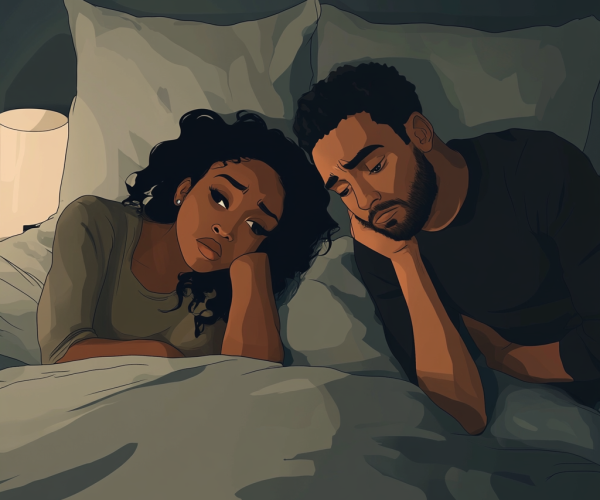
Studies show that sexual problems are common in men, though many of them are shy to talk about it. Sexual dysfunction increases with age, but it becomes common among those aged 40 to 70 years. Sexual dysfunction is a problem that prevents you from performing effectively during sexual activity. It affects your sexual health, relationships, happiness, and general well-being. Therefore, it is important to reach out to a doctor or a certified health provider when you have a problem with your sexual organs. Source: https://medlineplus.gov/sexualproblemsinmen.html What are the Symptoms of Sexual Dysfunction in Men? Men experience the following when they have sexual problems: Lack of interest in sexual activity Pain when having sex Inability to feel sexual desire or physically aroused. Some men also find it difficult, to maintain an erection. They often lose it quickly. Low or no discharge of semen Burning and itching in the penis Feeling of pain when having to use the bathroom: It is a common type of sexual problem found in men. It refers to when a man has a desire to have sex but is unable to get physical satisfaction from it. The man is unable to or finds it difficult to get an erection to have sex. It is also known as impotence. Types of Sexual Dysfunction Erectile dysfunction: this involves when you have a problem with having and maintaining an erection Premature Ejaculation: This is also referred to as quick or early ejaculation. It involves a man ejaculating during sex earlier than he would like to. You should consult your healthcare provider if you have premature ejaculation frequently. Delayed Ejaculation: this happens in men when they can only ejaculate after a long period of arousing them to action. Prolonged Erection: Prolonged erection happens when blood is confined in the penis. It causes one to have pain during sex. Dry orgasm: this happens when a man has an orgasm without discharging semen during intercourse. There is no discharge of semen, or it makes its way back to the bladder. Causes of Sexual Dysfunction Problems with sexual functions can be caused by different reasons such as stress and psychological or medical conditions. Medical conditions: conditions such as diabetes, heart disease, kidney failure, and liver failure can affect your ability to have sex. Hormone imbalance can affect one’s desire for sex. Hormones influence men’s energy, emotion, arousal, and sex drive. The male sex hormone is called testosterone. When testosterone is low, it can lead to a decrease in the sex drive and possibly cause erectile dysfunction. You can control your hormones by having a healthy diet and avoiding the use of illegal drugs such as cocaine and methamphetamines. Also, side effects of antidepressant drugs can affect sexual functions in men. Antidepressant drugs, used to treat eating, bipolar, post-traumatic stress disorder, and other illnesses have long-term effects on the brain and body. After years of continuous use of antidepressant drugs, it can cause emotional numbness and sexual problems. Medications such as diuretics, b-blockers, and propranolol used to treat high blood pressure could have side effects on the sexual activity of men. Let your doctor know about any changes you notice in your sexual drive after starting a new medicine. Psychological effect: Depression, anxiety, and lack of confidence can cause sexual problems in men. When a man is worried about his sexual performance or has a relationship problem, it will affect him sexually. Anger, guilt, and issues with your partner can also affect a man’s ability to have sex. Studies have shown that physical and psychological conditions are associated with sexual problems. Unhealthy lifestyle: Having an unhealthy lifestyle such as drinking alcohol, drug abuse, and being overweight are also associated with sexual problems in men. These unhealthy lifestyles can affect your sexual health. Factors associated with the risks of having a sexual problem such as STI include: Having unprotected sex without the use of a condom Having multiple sex partners It is very important to talk about and engage in safe sexual practices with your partner for a healthy sexual life. Other factors that contribute to sexual dysfunction in men include stress, lack of sleep, abuse in the past, fear, anxiety, alcohol, and drug abuse. Diagnosis There is no simple alternative diagnostic procedure for sexual dysfunction yet. Although side effects of drugs have been discovered to be a common factor which results in sexual dysfunction in men. The drugs that may lead to erectile dysfunction in men include antidepressants, opioids, and anxiolytics. Usually, you can recognize when there is a change in your attitude about sex which can be caused by fear, sexual trauma from the past, and anxiety. This information will help your healthcare provider to understand the cause of your problem and provide you the right treatment. There are some sexual problems that are difficult to diagnose and may require a comprehensive evaluation. This evaluation may include medical history assessment, physical examination, laboratory tests (such as hormone level testing), and possibly psychological assessments. How to Manage and Treat Sexual Problem Your doctor can recommend the right treatment for you after understanding what could be the cause of the problem. In the case where the problem is associated with stress, anxiety, or fear, your doctor or health provider could refer you for counseling. In the case related to a health condition, they may examine you or do some tests including a blood test. After knowing your test results, they could recommend the best treatment for you. Medications for erection issues could either be a pill or a shot. Examples include Levitra, Viagra, tadalafil, or Alprostadil. They can help to increase blood flow to the penis to improve your sexual ability. Surgery to correct penis deformities Penile traction therapy. This therapy involves you wearing a device on your penis to help correct or improve your condition. Counseling: it helps you address depression and manage stress, anxiety, guilt, or fear. Book sessions with a professional counselor. They can help you overcome the trauma you had in
Hypertension
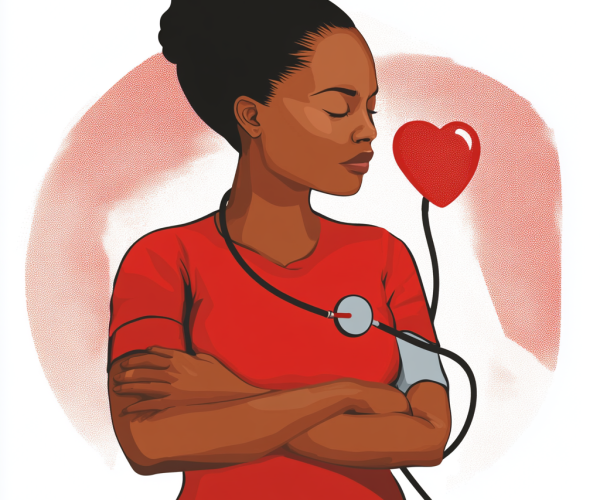
What is Hypertension? Hypertension is a condition that occurs when the force of blood pushing against the artery walls is consistently too high. It is also called high blood pressure. The arteries are channels through which blood gets to other body parts from the heart. Hypertension is when your blood pressure is consistently above the normal measurement. You can go for a yearly checkup to know if your blood pressure is too high or normal. The blood pressure reading has two numbers, the systolic and the diastolic blood pressure. Systolic blood pressure: This is the top number that measures the pressure of the artery walls when the heart contracts. The diastolic blood pressure: This is the bottom number that measures the pressure of the artery walls when the heart rests. Source: https://www.google.com/url?sa=i&url=https%3A%2F%2Fgoforward.com%2Fblog%2Fheart-health%2Fwhat-can-high-blood-pressure-feel-like-symptoms-of-hypertension&psig=AOvVaw2ccHR5gaYOuOiEEipA7Glw&ust=1714129662973000&source=images&cd=vfe&opi=89978449&ved=0CBIQjRxqFwoTCOD4lOmd3YUDFQAAAAAdAAAAABAJ Patients are diagnosed with high blood pressure when they have ⩾140/90mmHg or ⩾130/80mmHg. Your diagnosis depends on where you live. Healthcare professionals in the U.S. identify high blood pressure when it reads 130/80mm/Hg. However, they define it as 140/90mmHg in Europe. Healthcare professionals in the U.S. follow the blood pressure guidelines issued by the American College of Cardiology and the American Heart Association. The blood pressure readings have four categories: Normal blood pressure: lower than 120/80mmHg. Elevated blood pressure – when the top number is between 120 and 129, and the bottom is below 80mmHg. Stage 1 hypertension – when the top number is between 130 and 139, and the bottom is between 80-89mmHg. Stage 2 hypertension – when the top number is 140mmHg or higher, and the bottom is 90mmHg or higher. Symptoms and causes of Hypertension Hypertension can cause damage to organs such as the heart, brain, kidney, and eyes without showing any signs or symptoms. The factors that can cause it are: Lack of regular physical activity Taking too much alcohol Eating unhealthy meals Smoking Age: People over 65 years of age are at more risk for high blood pressure Diabetes: Individuals suffering from diabetes are more prone to having high blood pressure. Genes: Having family members with high blood pressure can make you develop it. It is possible to manage your blood pressure to get a healthy reading measurement that is less than 120/80mmHg. Risk Factors for Hypertension Factors that can increase the risk of developing hypertension include unhealthy diets, excessive intake of salt, low consumption of fruits and vegetables, smoking and drinking alcohol and becoming overweight. These risk factors can however be controlled or improved. Risk factors that may not be modified include a family history of hypertension and other coexisting medical conditions like diabetes or kidney disease. Effects of Hypertension Complications of High Blood Pressure Medical health problems can arise when high blood pressure is not properly controlled. You may experience deadly complications such as artery damage, brain damage, and vision loss if you do not manage your blood pressure. High blood pressure makes arteries tighter and less elastic, leading to blockages and restricting blood flow. Other complications may include heart disease, kidney disease, and stroke. Stroke and Brain Damage Hypertension can block or break the arteries which supply the brain with blood and oxygen. When there is a lack of oxygen in the brain cells, it can cause an individual to end up with a stroke. Stroke, in turn, causes speaking and walking disability. It can also result in death. Studies have shown that there is a new higher risk of dementia for someone with high blood pressure. It occurs later in the patient when there is a failure to control blood pressure. Heart Problem Hypertension decreases the flow of blood to the heart, which can cause heart attack or heart failure. The heart fails when it can not pump blood and oxygen to other body organs. Eyes Problems High blood pressure can cause loss of sight. Increase in blood pressure results in torn blood vessels in the eyes. It eventually leads to loss of vision. How to Lower Blood Pressure Dieting to lower blood pressure There is a dieting plan made for individuals with high blood pressure to help them control it. It is called the Dietary Approaches to Stop Hypertension (DASH) eating plan. Foods listed in the diet plan include fruits, whole grains, low-fat dairy products, chicken without skin, fish, and vegetables. It was emphasized in the diet plan that sugar-filled drinks, snacks, red meat, and salt should be moderately consumed. Older people and African Americans are more prone to the effects of sodium (salt). The American Heart Association suggests that adults should choose low-sodium meals to control hypertension. Source: https://www.homage.sg/health/high-blood-pressure-diet/ Treatment options for hypertension. Hypertension, if untreated over time, can cause heart disease, heart attack, stroke, or death. Different treatments can help you manage or control your blood pressure. The proper treatment option is determined by your doctor based on the type of hypertension and what causes it. Medicines used to control high blood pressure include: ACE inhibitors: Angiotensin-converting enzyme inhibitors help to relax blood vessels. This results in reducing your blood pressure. Examples include enalapril, lisinopril, and ramipril. Angiotensin-2 receptor blockers (ARBs): They are similar to ACE inhibitors. Examples include candesartan, losartan, and olmesartan. Diuretics: involves flushing excess water and salt from the body through urine. This can, however, lead to having low potassium and sodium after using it for a long time. Examples of this are indapamide and bendroflumethiazide. Calcium channel blockers: Examples are amlodipine and felodipine. Beta-blockers: Examples are atenolol and bisoprolol Hypertension treatment includes both medication and lifestyle adjustments to help manage the condition. The primary goal of treating hypertension is to reduce your blood pressure to the normal reading. How to manage high blood pressure It is very important to live a healthy lifestyle to help reduce or keep your blood pressure under control. Lifestyle modifications to manage high blood pressure include: Engage in physical activity or exercise regularly. Lower the intake of alcohol: Drinking too much alcohol can increase your blood pressure or increase your intake of calories. Avoid smoking: smoking
10 Tips To Beat Insomnia
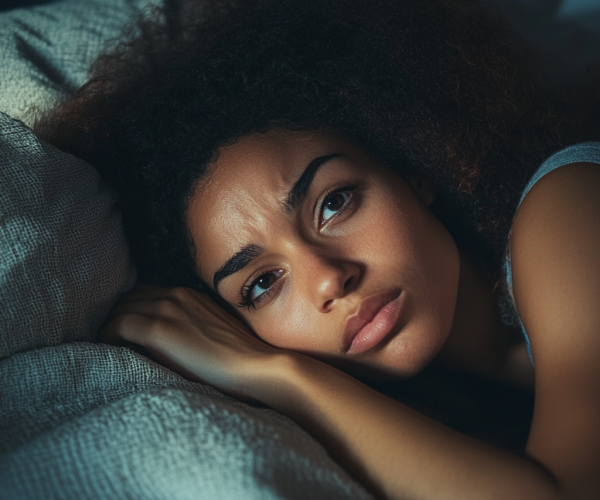
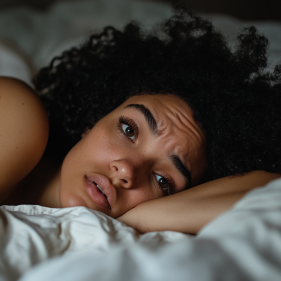
What is Insomnia? Insomnia refers to a sleep disorder that makes it hard for an individual to fall asleep, and/or remain asleep. People with insomnia experience trouble sleeping or maintaining sleep. They frequently wake up from sleep or wake up too early and find it hard to return to sleep. Types and Symptoms of Insomnia There are two main types of insomnia: Short-term insomnia: It is a brief period of sleeplessness. It is also called acute insomnia. It is caused by stressful events and lasts for less than three months. The symptoms may disappear when the stressful event that caused it is well managed. Chronic Insomnia: This refers to a long-term pattern of finding it hard to sleep. A person is suffering from chronic insomnia, when they have trouble falling or staying asleep at least three nights per week for more than three months. They both occur in people of all ages but it is more common among women than men. The common symptoms of Insomnia include: Finding it hard to fall asleep at night Waking up earlier than usual Feeling exhausted during the day Finding it difficult to concentrate, pay attention, or remember things Making more mistakes Feeling cranky or irritable What causes Insomnia? Unhealthy lifestyle: Involves poor lifestyle habits such as irregular mealtimes or bad diet, drinking too much caffeine or alcohol too close to bedtime. These habits have been shown to disrupt most people’s ability to fall or stay asleep. Mental health disorder – such as depression: Depression or anxiety disorders can result in waking up too early and being unable to fall back asleep. Research shows that 40% of people with insomnia have a mental health disorder. Source: https://www.sleepfoundation.org/insomnia/what-causes-insomnia Stress: When you are under a lot of stress, your body muscles become tensed up. It affects your sleep by increasing how long it takes to fall asleep and by interrupting your sleep. Work or travel schedule: Experiencing jet lag due to traveling across different time zones, or working overtime causes changes in your body’s internal clock resulting in insomnia. The Circadian rhythms refer to the 24-hour internal clock which is responsible for regulating your sleep-wake cycles, and body temperature. Worrying about not being able to sleep: This makes you anxious about how long you have been up, and you find it harder to sleep. Distract yourself by thinking about something else, or nothing at all. Do not dwell on negative thoughts, try to think about positive things instead. Women’s Vulnerability to Insomnia Insomnia is a common sleep disorder that affects 10-30% of adults globally. Although it can happen at any age, women and older people are more likely to experience it. Studies show that women are more likely to experience insomnia than men. There are changes in the sleeping routine of pregnant women. They find it difficult to get enough sleep due to changes in their physical bodies, hormones, and psychological effects. Also, women going through menopause experience insomnia. Source: https://aasm.org/women-more-likely-than-men-to-never-feel-well-rested-according-to-aasm-survey/ Coping with Insomnia There are actionable steps one can follow to deal with insomnia. Tips to overcome Insomnia and sleep better include: Make your sleeping environment conducive: When you have a comfortable environment, it becomes easy to have a good night’s sleep. Make your bedroom comfortable by adjusting the temperature and reducing the light and noise levels. Try not to eat much or drink a lot of water before bedtime: I observed whenever I drink a lot of fluid or water before bed, I often wake up to urinate. When you reduce the intake of water before going to bed, you reduce the chances of having to wake up frequently. It is healthy to have a light meal before bed to avoid having a heartburn, stomach discomfort, or any other condition that can hinder sleep. Have a relaxing bedtime routine: Having a routine, such as a warm bath, reading a book, or listening to cool music, will prepare you for a good night’s sleep. Follow a consistent bedtime: Maintain a regular time for going to sleep and waking up every day, even on the weekends. Avoid the use of alcohol and caffeine: Avoid the consumption of alcohol and caffeine before bedtime because they can make it difficult for one to have a good quality sleep. Research studies show how high consumption of alcohol and caffeine causes poor sleep quality. Engage in physical activity: Simple physical activities, such as going for a walk or gentle cycling, can help you beat insomnia. It allows you to get a good quality sleep. Source: https://encryptedtbn0.gstatic.com/images?q=tbn:ANd9GcTMISCTPUIpgCOMQOWMXMA1iXz6Y3aPAq-tWg&s Avoid smoking: People who smoke have trouble falling asleep. They wake up more frequently and generally experience more interrupted sleep. Cigarette smoking was associated with difficulty in initiating sleep and difficulty waking up. Sleeplessness may be more frequent among smokers compared to nonsmokers because of the stimulating effects of nicotine. Avoid smoking cigarettes to enjoy a sound sleep and overall well-being. Reduce screen time before bedtime: Our smartphones and other electronic screens emit blue light. Exposure to blue light while watching a show or reading a book on your phone might make it harder to fall asleep. The blue light emitted from our screens interferes with the melatonin flow that promotes sleep. Consider decreasing the brightness of your devices and turning off all electronic devices an hour before going to bed. Reducing exposure to blue light may also be possible by wearing glasses with blue-ray protection coating. Reduce or stop taking naps: If you experience insomnia, taking naps during the day can make it harder for you to sleep at night. If you cannot do without it, reduce it to no more than 30 minutes. Also, do not take naps in the late afternoon, or early evening to avoid worsening your sleep problem. Get Professional Assistance: Sleeping is essential for your health and well-being. When you are not getting enough sleep, it can affect your general health. If you have difficulty sleeping and feel it is
